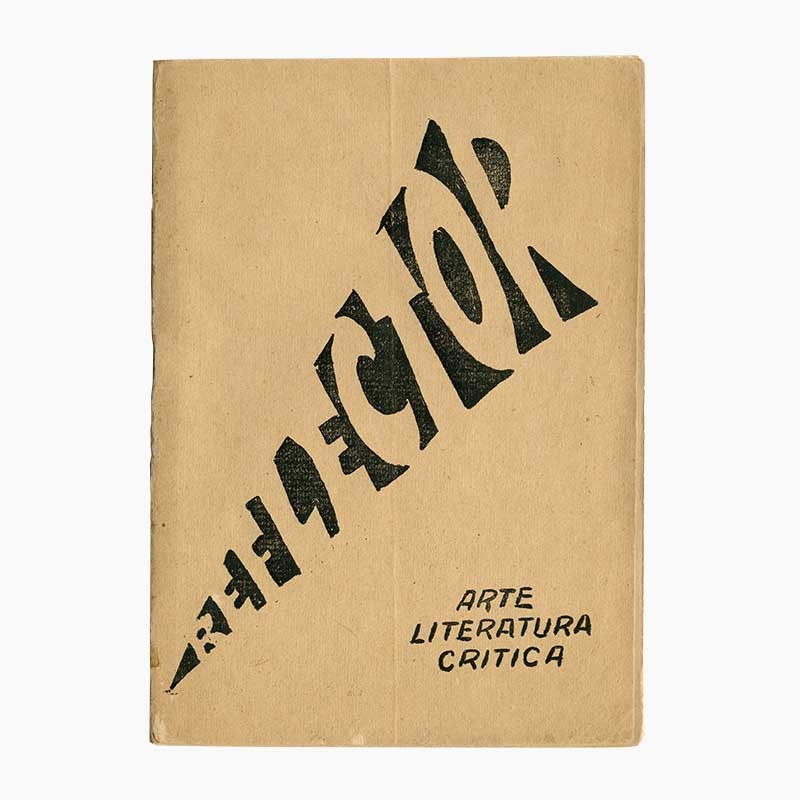
José de Ciria y Escalante
Reflector: revista internacional de arte, literatura, crítica, n. 1, Madrid: Gráficas “Ambos Mundos” (impr.), December 1920
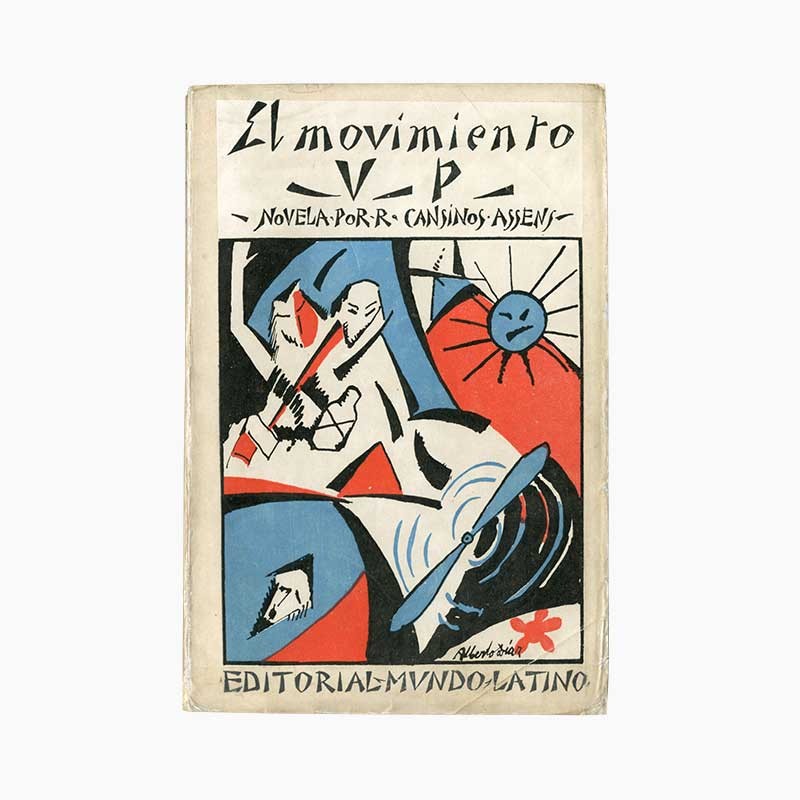
Rafael Cansinos-Assens; Alberto Díaz
El movimiento V. P. (novela), Madrid: Mundo Latino / Imp de G. Hernández y Galo Sáez, n.d. [1921?]

Ramón Gómez de la Serna; José Gutiérrez Solana
La sagrada cripta de Pombo, Madrid: Imp. G. Hernández y Galo Sáez, n.d. [1924?]

Rafael Alberti
Sobre los ángeles (1927-1928), Madrid: Compañía Iberoamericana de Publicaciones, 1929

Ramón Gómez de la Serna; Diego Rivera
Ismos, Madrid: Biblioteca Nueva, 1931
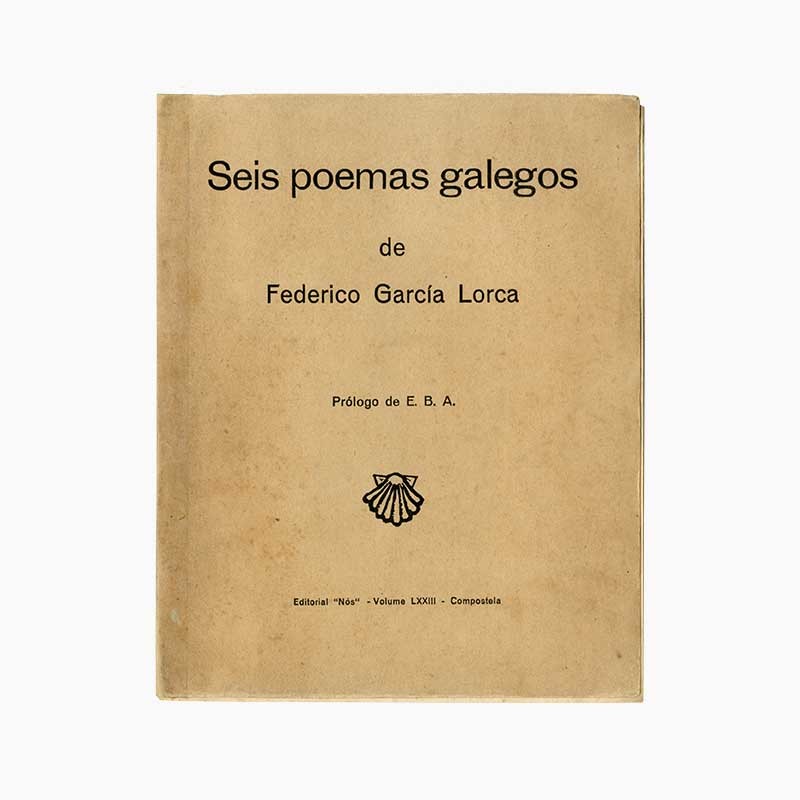
Federico García Lorca
Seis poemas galegos, Santiago de Compostela: Nós, 1935

Federico García Lorca
Ode á Salvador Dali, Paris: G.L.M., 1938
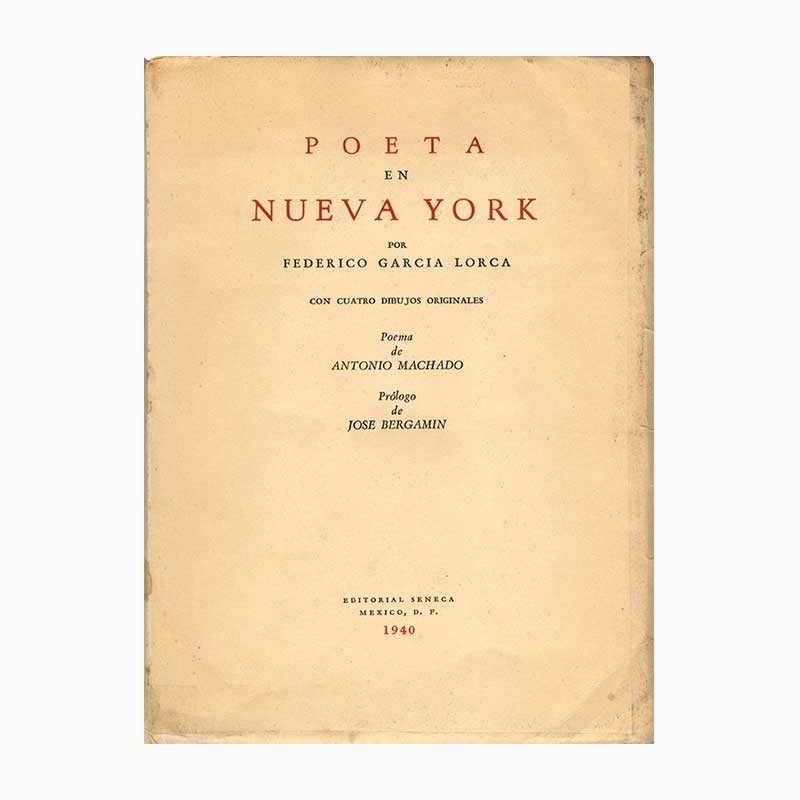
Federico García Lorca
Poeta en Nueva York, Mexico City: Séneca, 1940
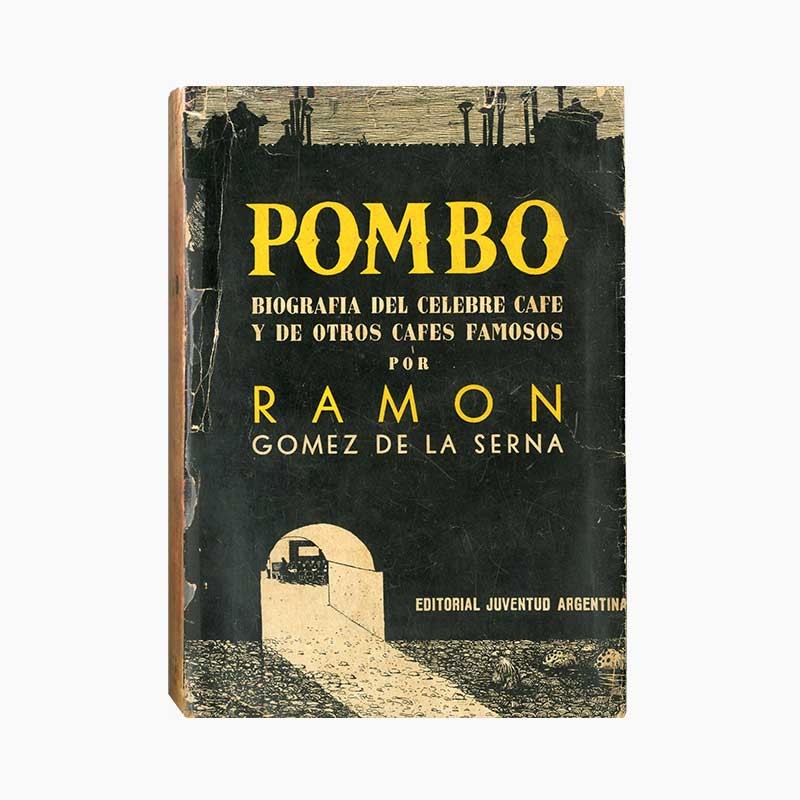
Ramón Gómez de la Serna
Pombo. Biografía del celebre café y de otros cafés famosos, Buenos Aires: Juventud Argentina, 1941
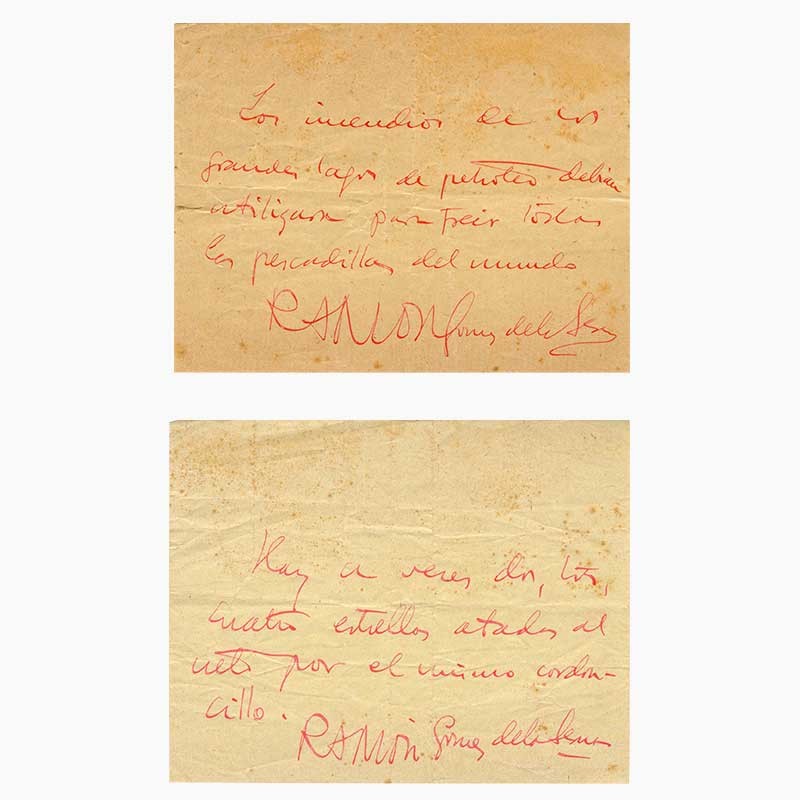
Ramón Gómez de la Serna
Pombo. Biografía del celebre café y de otros cafés famosos, Buenos Aires: Juventud Argentina, 1941
630 publications and documents.
The term ’avant-garde literature’ was coined during the First World War (1914-1918) to designate a series of artistic concerns that were at the cultural forefront of the time. Avant-gardism signified one of the greatest moments of unity among European artists who sought to construct a new human type, a new culture and, therefore, a new society.
In Spanish avant-garde literature, three main periods can be delineated:
-The first manifestations (1908-1918), with Ramón Gómez de la Serna as the dominant figure and driving force at that time. -The birth of Ultraism and Creationism (1918-1925), with figures such as Rafael Cansinos Assens, Guillermo de Torre, Gerardo Diego and Juan Larrea. -The trend towards surrealism (in Spanish literature always nuanced and far from automatic writing) that ultimately manifests itself in a significant number of the authors of the so-called Generation of ’27.
HEADQUARTERS
 Polígono Industrial Heras - Parcela 304
39792 Heras - Cantabria - Spain
Phone: +34 942 559 113
 FOLLOW US
 CONTACT
CAREERS
CONTACT
CAREERS
La información personal que nos facilites en el presente momento será gestionada por Archivo Lafuente como responsable de esta web. La finalidad de la recogida y tratamiento de estos datos solicitados es la de enviarte información acerca de nuestras noticias, eventos, exposiciones y actualidad de forma periódica. Con la aceptación de este contenido estás aceptando expresamente el tratamiento de tus datos personales para las citadas finalidades. Asimismo podrás ejercitar los derechos de acceso, rectificación, cancelación y oposición al tratamiento de tu información personal enviando un mensaje a la dirección de correo electrónico archivolafuente@archivolafuente.com. Puedes consultar toda la información legal aquí.