George Hoyningen-Huene
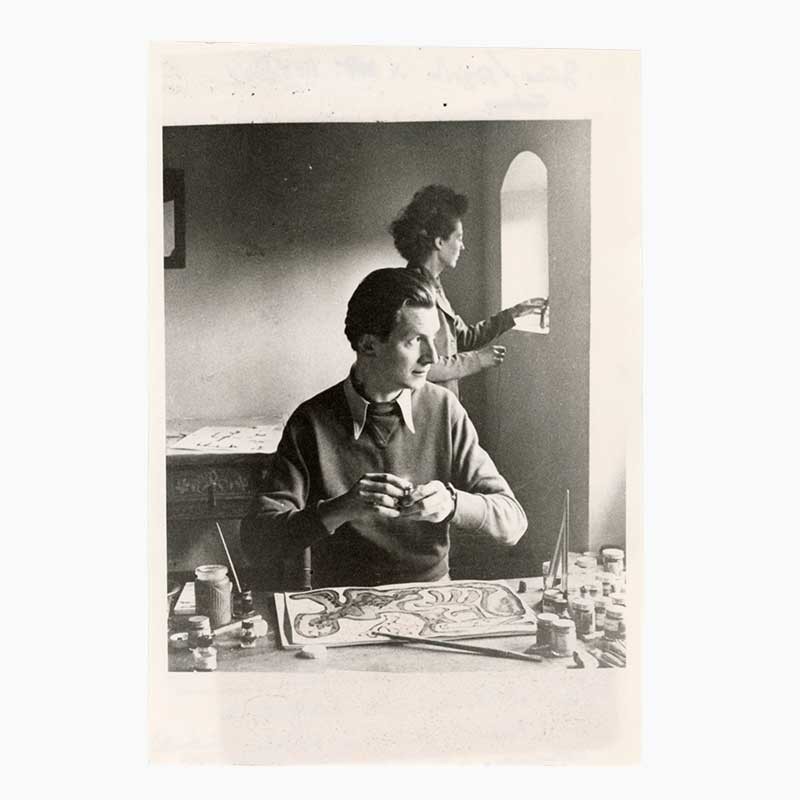
Mathias Goeritz and Marianne Gast-Goeritz at the palace of the marquis of Santillana in Santillana del Mar, 1948
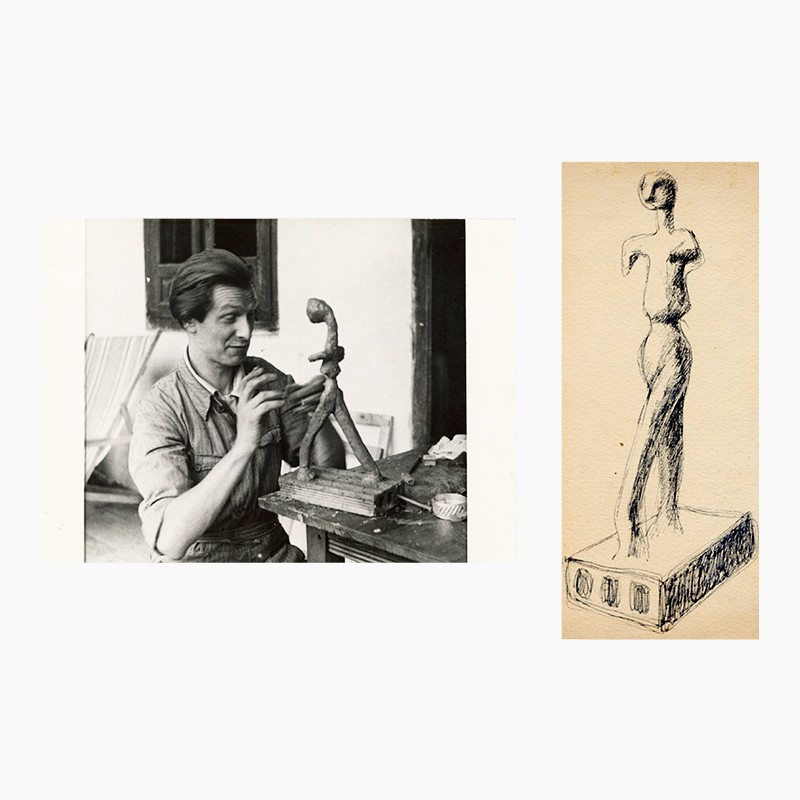
Mathias Goeritz working on sculpture in Santillana del Mar, and sketch of the sculpture, July 1948

Mathias Goeritz
Altamira 1, n.d. [1948-1949?]. Mixed media on jute, 56.5 x 71 cm
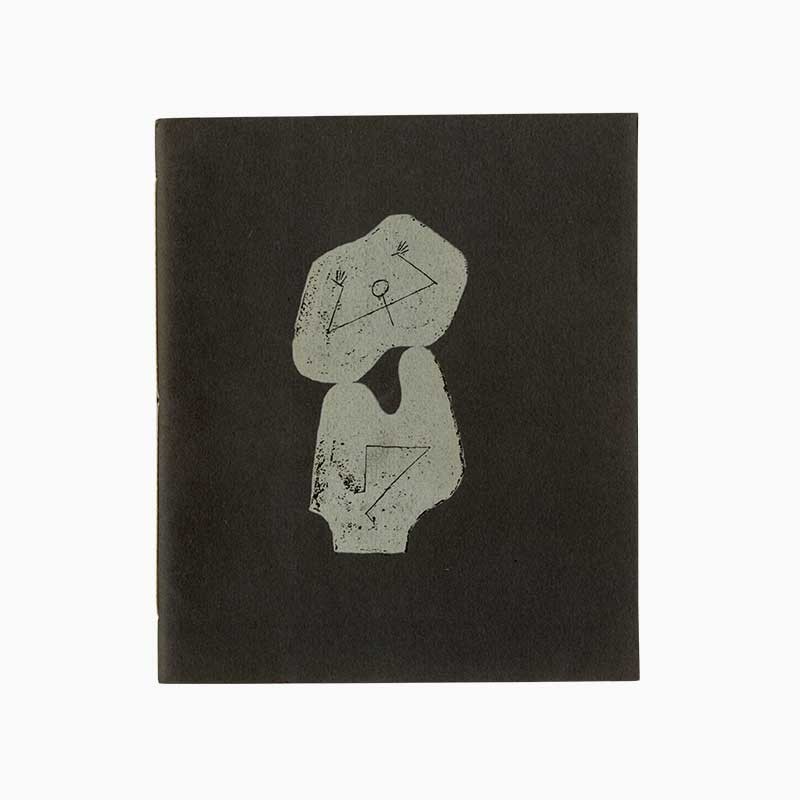
Mathias Goeritz; Ángel Ferrant
Figuras del mar. Diez dibujos de Ángel Ferrant, Madrid: Galería Clan, 1948
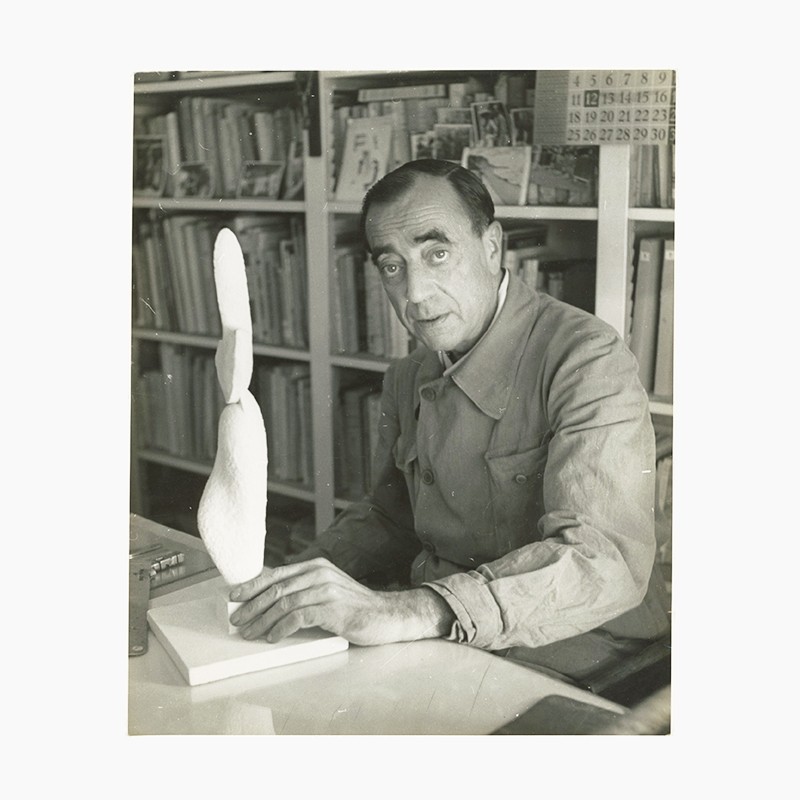
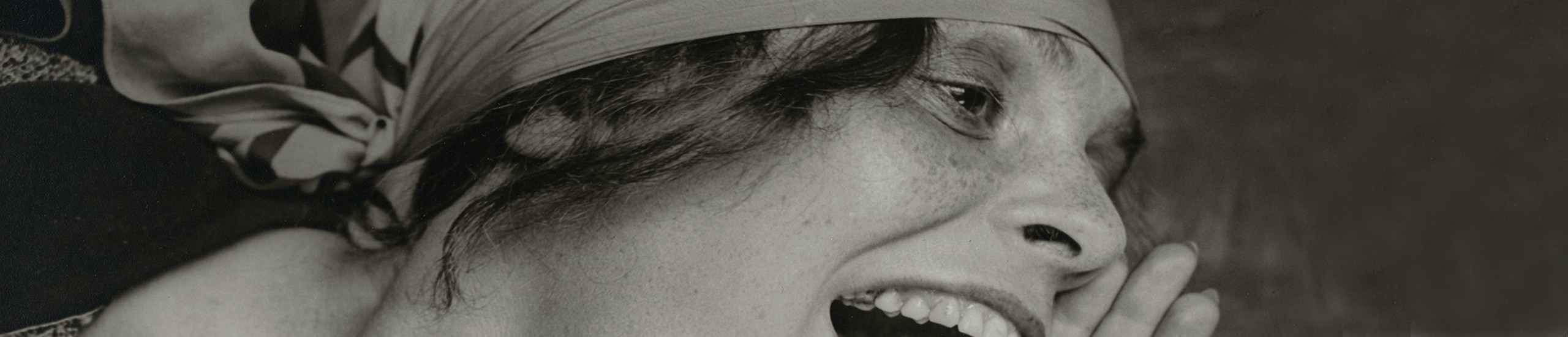
George Hoyningen-Huene
Sculptor Angel Ferrant, 1948
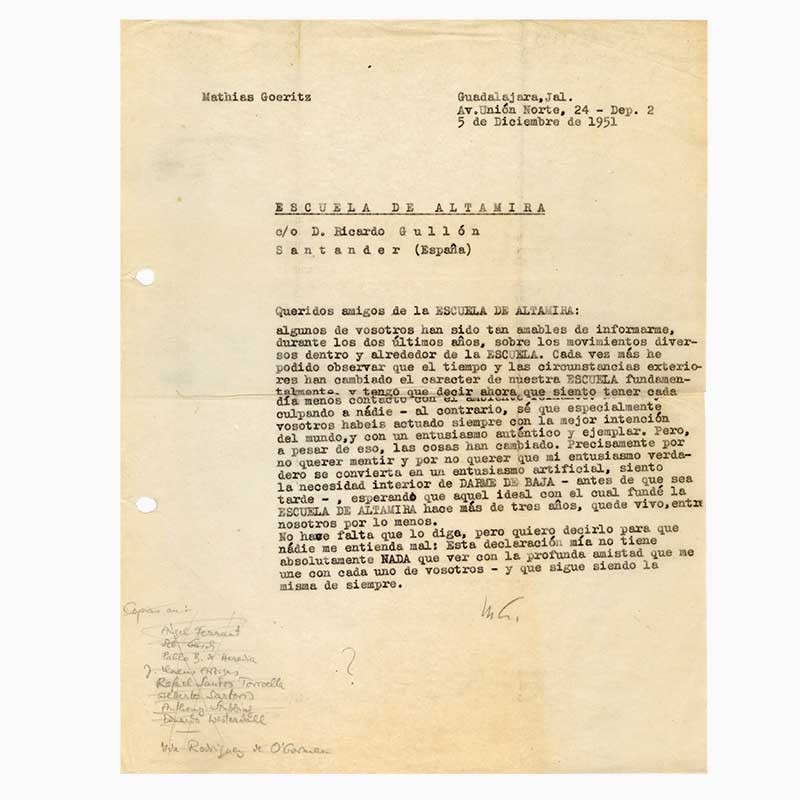
Letter where Mathias Goeritz unsuscribes from Escuela de Altamira, 5 December 1951
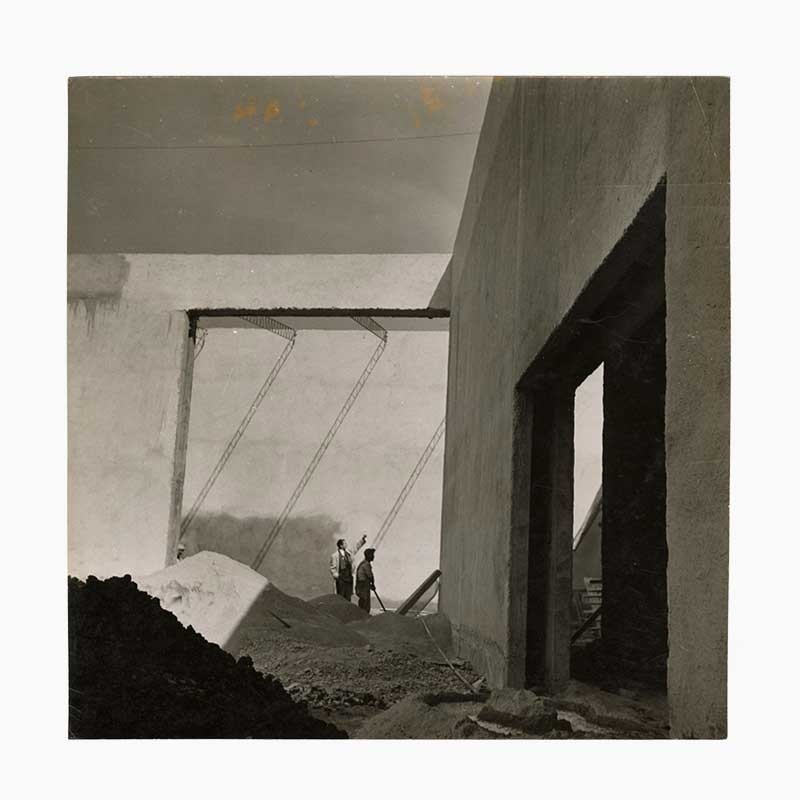
Marianne Goeritz
"El Eco" under construction, January 1953
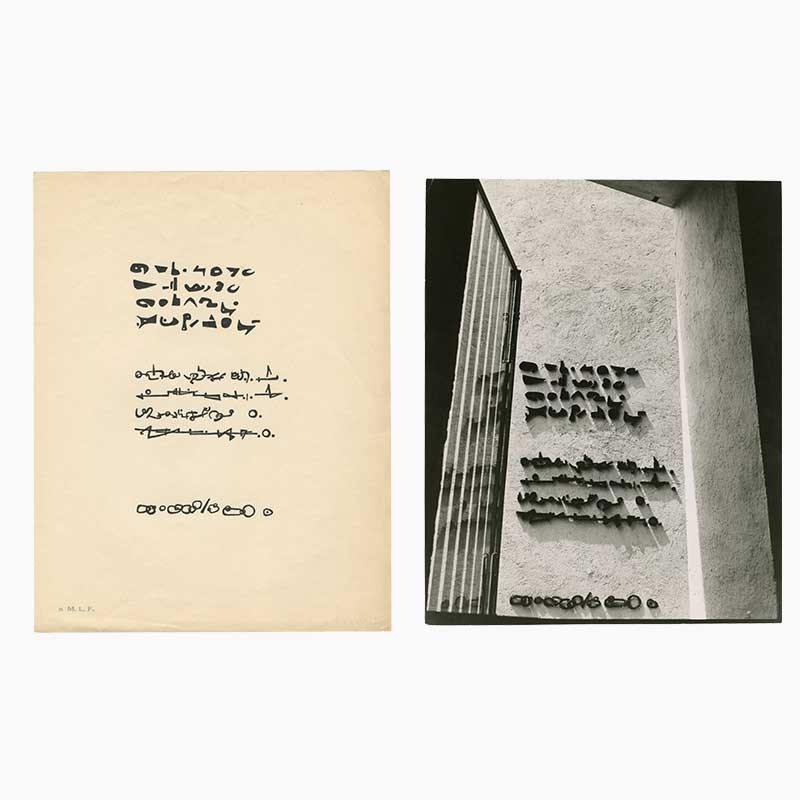
Mathias Goeritz
Poema plástico, n.d. [1952?]
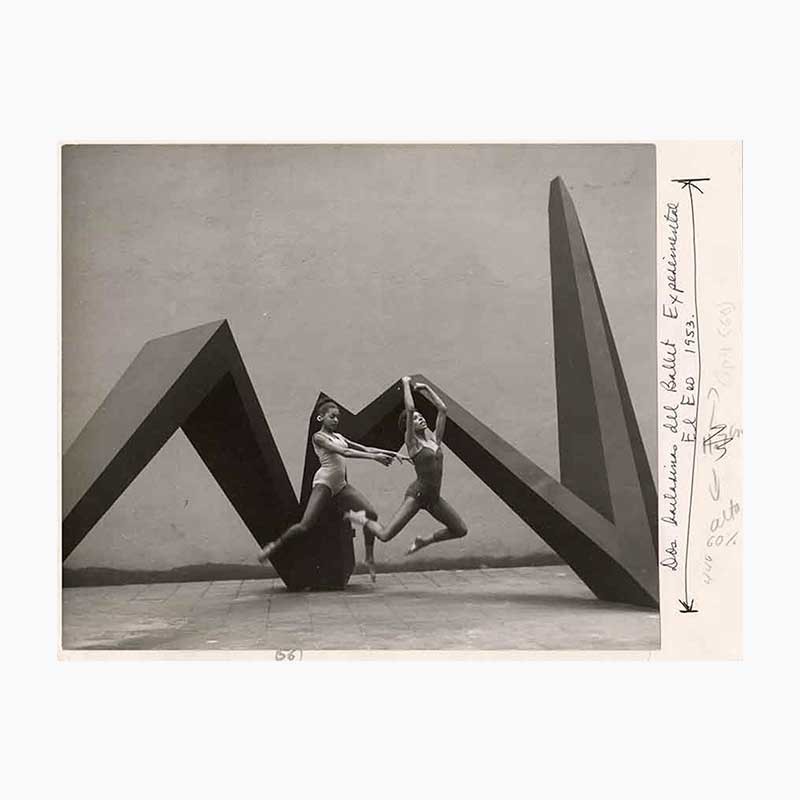
Marianne Goeritz
Two dancers of Ballet Experimental El Eco, 1953
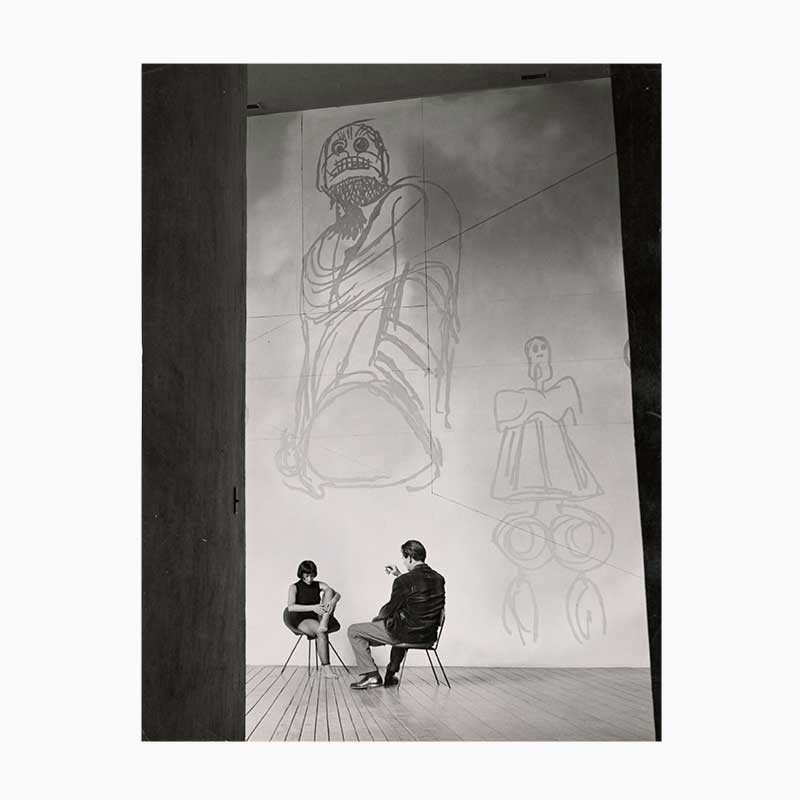
Marianne Goeritz
El Eco: Dancer Pilar Pellicer and Mathias Goeritz under the “Mooral”, 1953
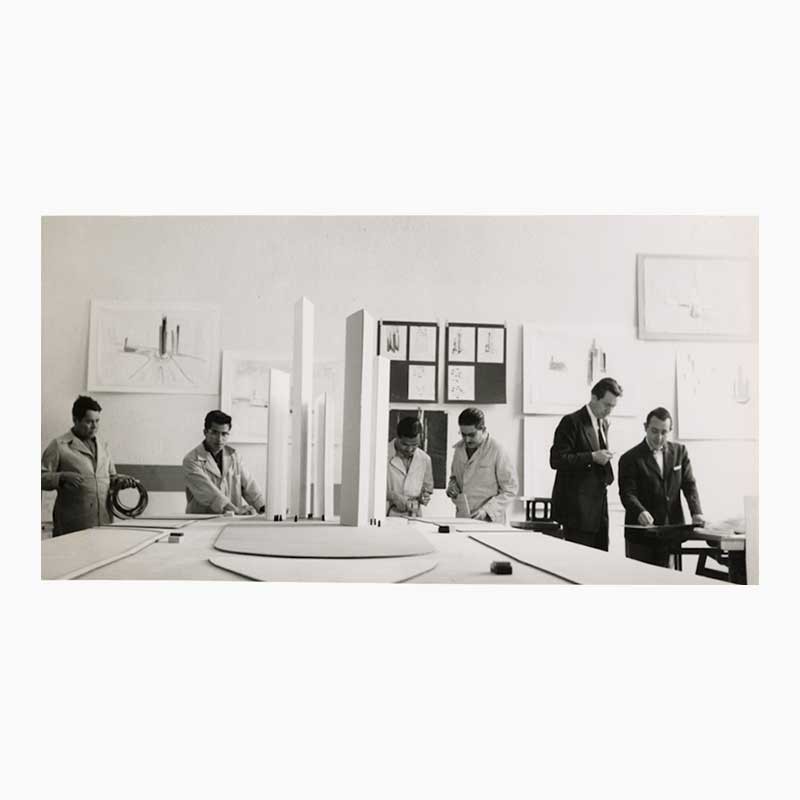
Mathias Goeritz at Luis Barragán’s office with the mockup of Las Torres de Satélite, 1957

Kati Horna
Las Torres de Automex, n.d. [1963-1964?]
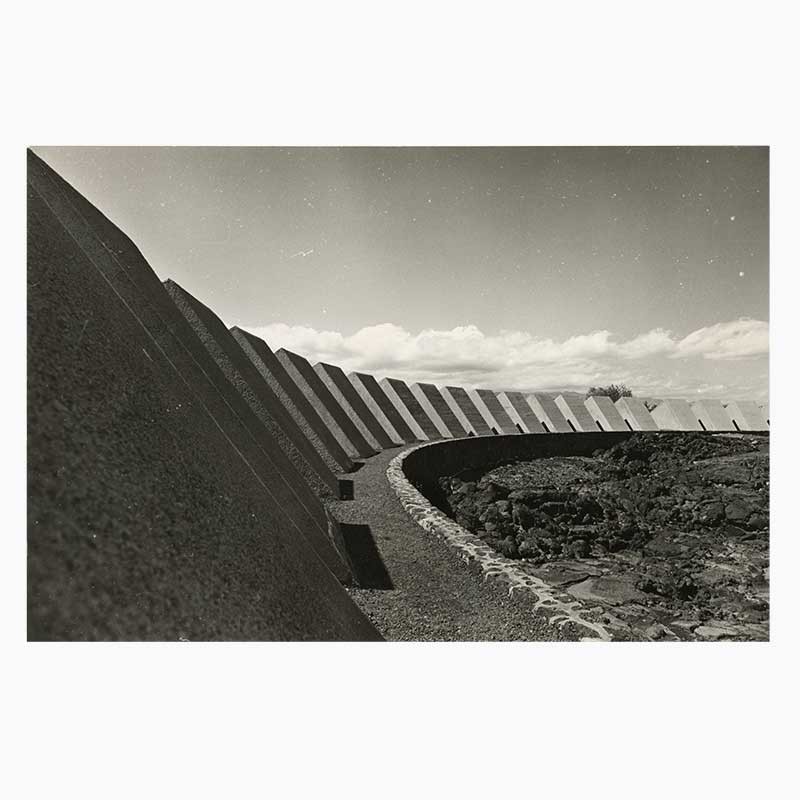
Espacio Escultórico, n.d. [1979?]

Yoram Lehmann
Laberinto de Jerusalén or Centro Saltiel (Jerusalem), 1974

Mathias Goeritz
Text by Mathias Goeritz, 1980

Armando Salas Portugal
Detail of El animal del Pedregal, n.d. [1951?]

Marianne Goeritz
M. G. trabajando en su serie Open Mind and Empty Head, 1950-1951

Mathias Goeritz
Untitled [Agenda], c. 1957. Ink on paper, 20.3 x 9 cm ea. [selection]
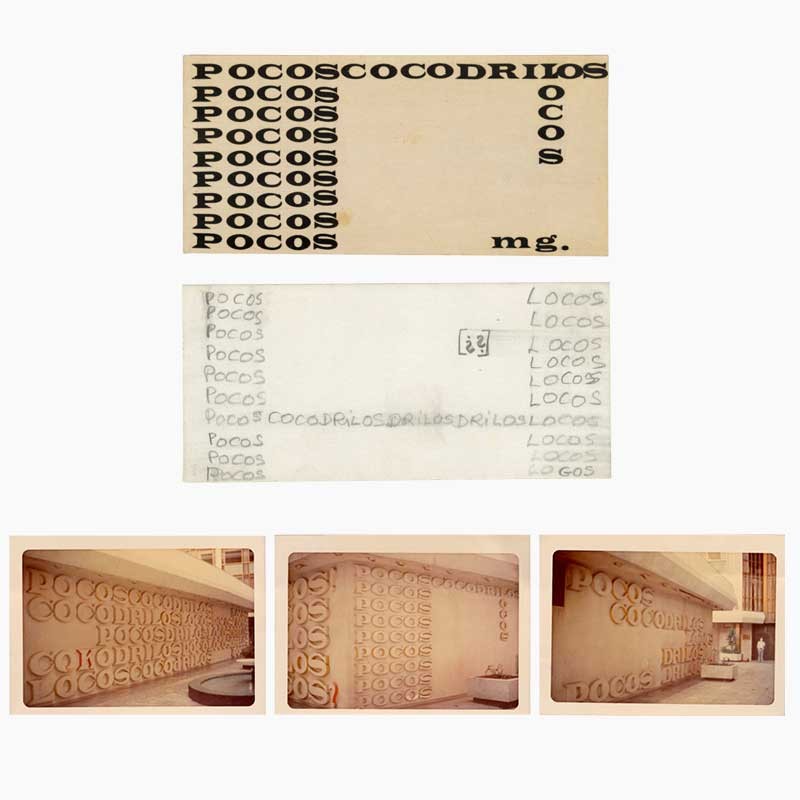
Mathias Goeritz
Outlines and pictures of the lost mural Pocos cocodrilos locos, n.d. [1964?]
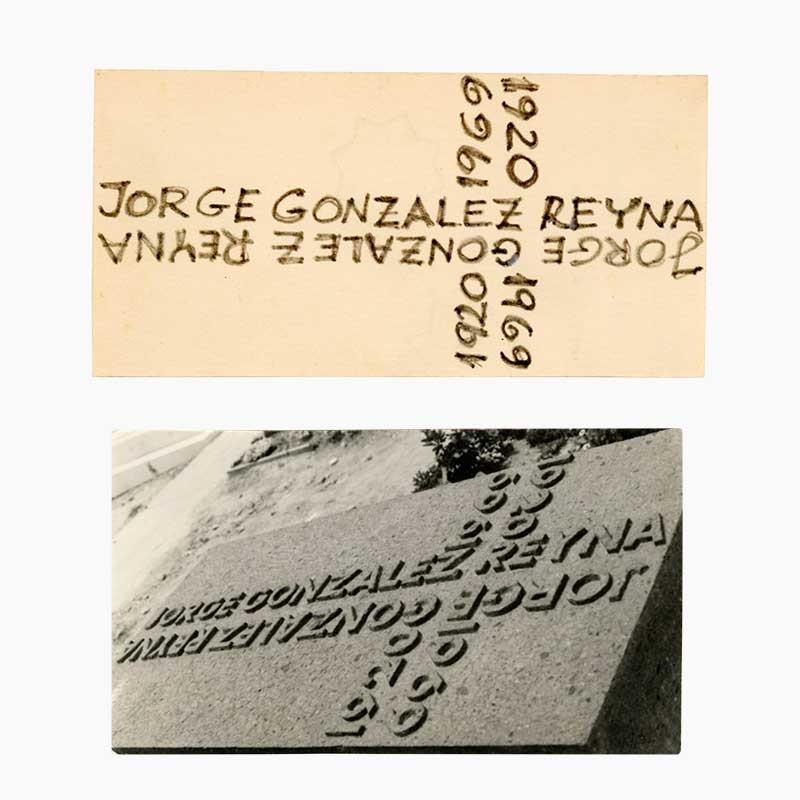
Mathias Goeritz
Outline and picture of the tombstone of Jorge González Reyna, 1969-1970
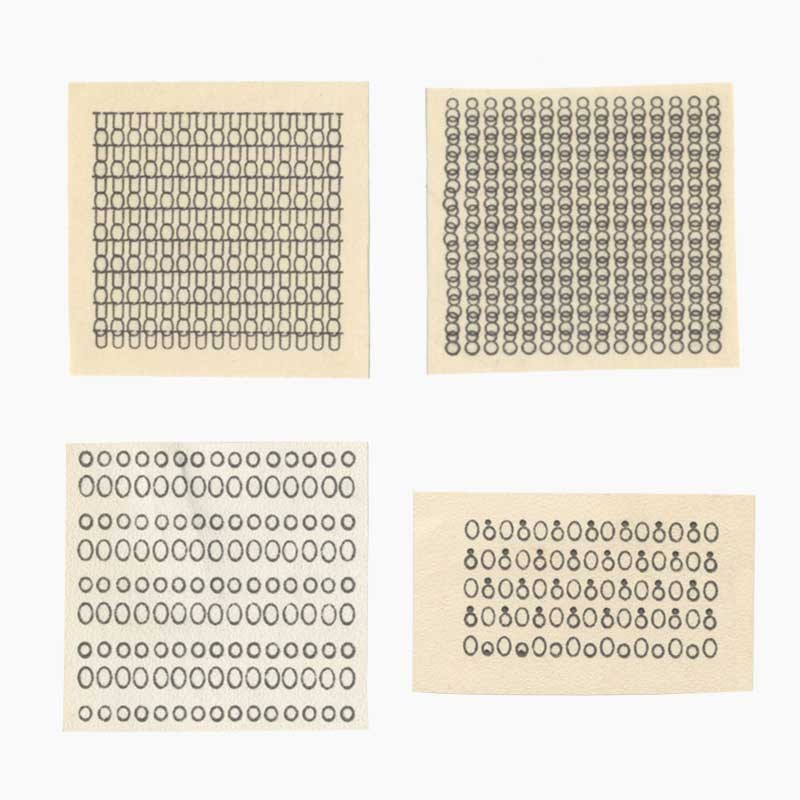
Mathias Goeritz
Poems, n.d. Typescript text on paper, several measurements [selection]
1,400 works of art and documentation.
Mathias Goeritz (Danzing, 1915–Mexico City, 1990) was a painter, sculptor and poet. He received a doctorate in art history in Berlin and spent part of the Second World War in Morocco and Spain. After the war he moved to Madrid and, in 1948, influenced by the School of Paris, Bauhaus, Paul Klee and Joan Miró, he founded the Escuela de Altamira in Santillana del Mar (Cantabria).
In 1949 he emigrated to Mexico to teach classes at the Escuela de Arquitectura in Guadalajara. There he collaborated with the architects Luis Barragán (Jardines del Pedregal, 1951) and Mario Pani (Las Torres de Satélite, 1957), although possibly his most personal project was the Museo Experimental El Eco (1952–1953), which Henry Moore and Rufino Tamayo participated in and which constituted the implementation of his ‘Manifiesto de la arquitectura emocional’. In addition to painting, he also pursued sculpture and took an interest in concrete poetry, of which Archivo Lafuente holds documentation related to his work in these fields. Archivo Lafuente’s Goeritz collection is made up of some 1,400 items dating from between 1933 and 1999, including original works, manuscripts, photographs and correspondence, among others, which trace his artistic production. Of particular note, due to their quality, are the series of photographs with work by Úrsula Bernath, Marianne Gast, Kati Horna, George Hoyningen-Huene, Sibyl Moholy-Nagy, Nicolás Müller, Hans Namuth and Armando Salas Portugal, among others.
HEADQUARTERS
 Polígono Industrial Heras - Parcela 304
39792 Heras - Cantabria - Spain
Phone: +34 942 559 113
 FOLLOW US
 CONTACT
CAREERS
CONTACT
CAREERS
La información personal que nos facilites en el presente momento será gestionada por Archivo Lafuente como responsable de esta web. La finalidad de la recogida y tratamiento de estos datos solicitados es la de enviarte información acerca de nuestras noticias, eventos, exposiciones y actualidad de forma periódica. Con la aceptación de este contenido estás aceptando expresamente el tratamiento de tus datos personales para las citadas finalidades. Asimismo podrás ejercitar los derechos de acceso, rectificación, cancelación y oposición al tratamiento de tu información personal enviando un mensaje a la dirección de correo electrónico archivolafuente@archivolafuente.com. Puedes consultar toda la información legal aquí.